
When I arrived in Doha to work in the Workforce area of the 2022 World Cup, I thought I knew what to expect. I had already worked with technology, tight deadlines, and teams spread across the world. Even so, what I found was unlike anything I had seen before.
There were thousands of volunteers, hundreds of thousands of candidates in the selection process, teams from many countries, and a deadline that left no room for error. In an operation like this, a small problem in one system can become a big one within hours. Things escalate quickly all the way to the top, and there is no time to fix them afterward. You and your team lose credibility and standing.

Talent alone is not enough
At first, I believed the secret was in the most experienced people. Whoever had the most background would solve the problems. It didn't take long to see that this doesn't hold up. An excellent professional with a broken process will struggle, and a good process with a misaligned team won't move either.
It may sound like a cliché, but what makes the difference is how three things fit together: the right technology, clear processes, and people who know what to do with them. When one of these pieces fails, the other two can't make up for it.
I work in small tasks
In practice, what helped me the most was breaking everything into micro-tasks. Instead of planning one huge project (and it really was huge) and waiting months to see results, I split the work into small pieces, with clear deliverables and weekly reviews.
This way of working comes from agile methodology, which is common in software development. The idea is simple: ship something that works, look at the result, adjust, and move on. It sounds obvious, but in a high-pressure environment it is what keeps small mistakes from turning into crises.
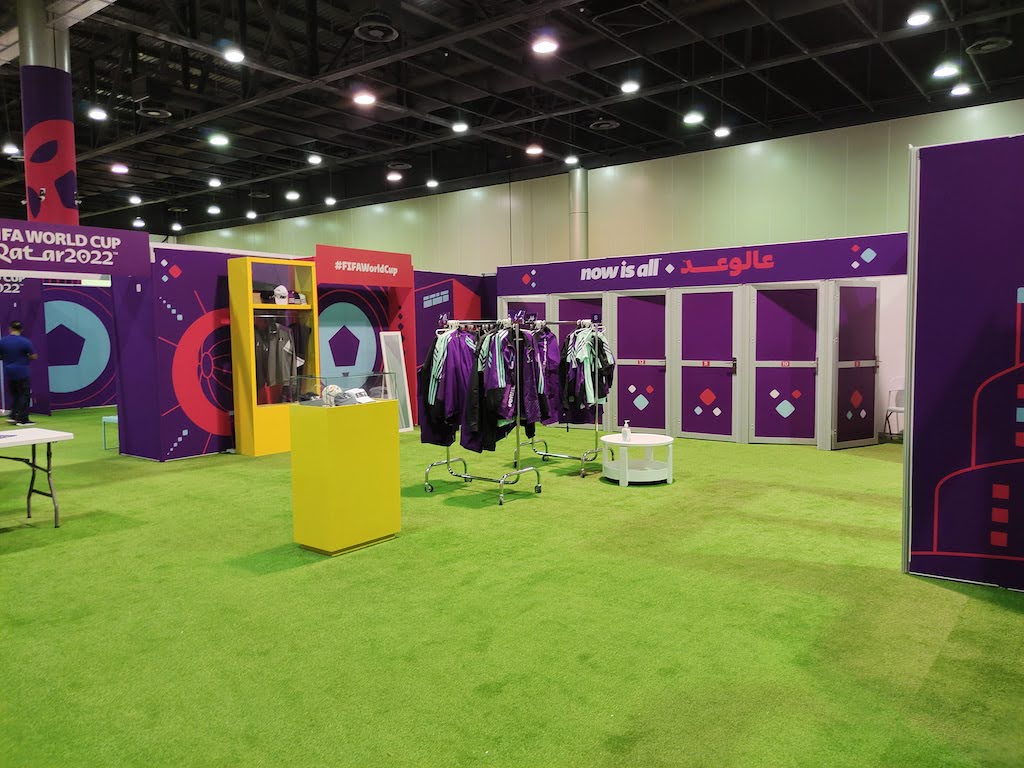
A mega event is a startup
That's when I understood something I now repeat to almost every founder I talk to: a mega event works like a startup. A group of people comes together, develops an idea, puts the operation into motion, takes apart whatever didn't work, and moves on to the next stage.
The difference is scale and speed. Instead of months, you have weeks. Instead of a few dozen people, you have hundreds or thousands. But the logic is the same, and anyone who can operate well at that pace learns very quickly what really matters.
What this has to do with startups
When I evaluate a startup today, I come back to a question that grew directly out of that experience: "Can this founder execute?"
A good idea or a polished pitch deck is not enough. I look at how the person organizes their work, whether they can break a big goal into small steps, how they react when something goes wrong, and whether the team is aligned around the same result.
I learned this in practice, in an environment with plenty of room for improvisation, where what mattered was fixing problems and preventing them from happening again. That is exactly how a startup works.
Today I bring that lesson to anyone building a business from scratch.
Want to talk about it? If you're building a startup and want to think through how to organize your work into steps that actually work, tell me about your situation.